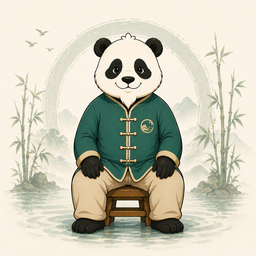
Both traditions use gentle movement, breath, attention, and calm repetition. A simple way to remember the difference: Qigong is the bigger toolbox for breath and energy practice. Tai Chi is a flowing movement art that grew from martial roots.
Qigong
Qigong is a broad family of Chinese practices focused on breath, posture, gentle motion, and quiet attention. Some forms are still and meditative. Others use repeated movements to help the body relax and the mind settle.
In everyday practice, Qigong can support steadier breathing, body awareness, relaxation, and a more grounded sense of calm.
Tai Chi
Tai Chi began as an internal martial art, then became widely practiced as slow, graceful movement sequences. It often feels like moving meditation because the body, breath, and attention work together.
In everyday practice, Tai Chi can support balance, coordination, gentle mobility, posture awareness, and confidence with controlled movement.
Using Stillwater
Stillwater adapts the spirit of these traditions into a simple seated practice for accessibility, calm, and daily consistency. It can help you practice at home, especially when you want a gentle reminder to breathe, slow down, and move with intention.
That said, a regular human instructor is still very beneficial for whole health. A good instructor can watch your posture, adjust movements to your body, help you avoid strain, and give encouragement that an app cannot fully replace.